
Essential Tips for Effective Exterior Home Caulking Maintenance

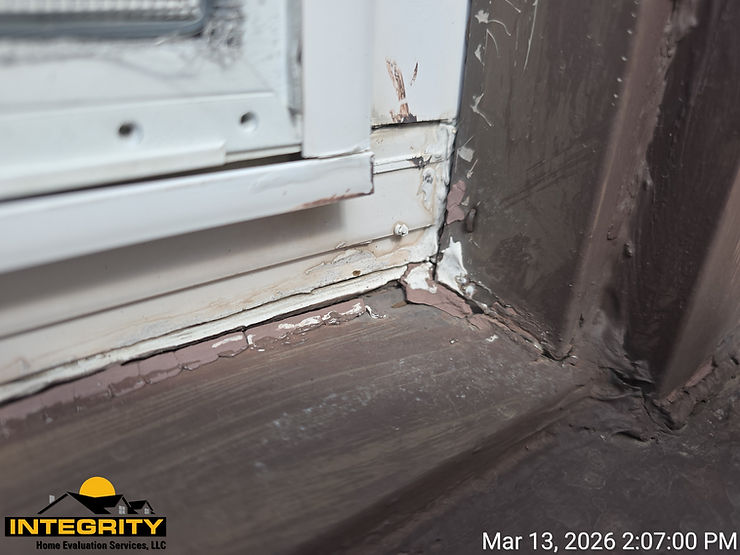
Maintaining your home's exterior caulking is a simple step that can save you from costly repairs and improve your home's energy efficiency. Over time, caulking around windows, doors, and siding can crack, shrink, or peel, allowing water and air to seep in. This can lead to moisture damage, mold growth, and higher energy bills. Knowing how to inspect, repair, and maintain exterior caulking helps protect your home’s structure and keeps it comfortable year-round.
Why Exterior Caulking Matters
Caulking seals gaps and joints where different building materials meet. It prevents water from entering walls and stops drafts that reduce heating and cooling efficiency. When caulking fails, water can seep behind siding or window frames, causing wood rot, paint damage, and even structural issues. Proper caulking also keeps insects and dust out.
Regular maintenance extends the life of your home’s exterior and reduces the need for expensive repairs. It also improves curb appeal by keeping surfaces neat and well-sealed.
Essential Tips for Effective Exterior Home Caulking Maintenance
Start by examining all caulked areas around your home’s exterior. Focus on:
Window and door frames
Siding seams and joints
Around vents and pipes
Baseboards where siding meets the foundation
Look for signs like:
Cracks or gaps in the caulk
Peeling or missing sections
Hard, brittle texture instead of flexible
Discoloration or mold growth
Use a flashlight to check shaded or hard-to-see spots. If you notice any damage, it’s time to repair or replace the caulking.
Choosing the Right Caulk for Repairs
Not all caulks work well outdoors. Select a product designed for exterior use that can withstand weather changes and UV exposure. Common types include:
Silicone caulk: Highly flexible and waterproof, ideal for windows and doors. It adheres well but can be hard to paint.
Acrylic latex caulk: Easier to apply and paintable, good for siding and trim. Less durable than silicone but easier to maintain.
Polyurethane caulk: Strong and durable, suitable for large gaps and areas exposed to heavy weather.
Check the product label for temperature range and drying time. For best results, buy a caulk that matches your home’s materials and climate conditions.
Step-by-Step Guide to Recaulking
Remove old caulk
Use a utility knife or caulk remover tool to carefully scrape away damaged caulk. Clean the surface with a brush and mild detergent to remove dirt and loose debris. Let it dry completely.
Prepare the area
Mask off edges with painter’s tape to create clean lines. Make sure the surface is dry and free of dust.
Apply new caulk
Cut the tip of the caulk tube at a 45-degree angle. Use a caulking gun to apply a steady bead along the joint. Avoid over-applying; a smooth, continuous line is best.
Smooth the caulk
Use a caulk finishing tool or your finger dipped in water to smooth the bead and press it into the gap. Remove painter’s tape before the caulk dries.
Let it cure
Follow the manufacturer’s instructions for drying time. Avoid exposing the area to water or extreme temperatures during curing.
Tips for Long-Lasting Caulking
Perform inspections twice a year, ideally in spring and fall.
Clean caulked areas regularly to prevent mold and dirt buildup.
Avoid painting over silicone caulk; use paintable acrylic latex if you plan to paint.
Address leaks or water damage immediately to prevent worsening.
Use high-quality caulk and tools for neat, durable results.

When to Call a Professional
If you notice extensive damage, persistent leaks, or mold growth behind siding, a professional inspection may be necessary. Experts can assess hidden damage and recommend repairs beyond simple caulking. Large gaps or structural issues might require specialized materials or replacement of trim and siding.
Interested in setting up a home inspection for your current or potential home? Contact Integrity Home Evaluation services today and learn why we are Northeast Ohio’s trusted rental inspector in Akron, Aurora, Brecksville, Cuyahoga Falls, Hudson, Medina, Solon, Streetsboro and Twinsburg.


Comments